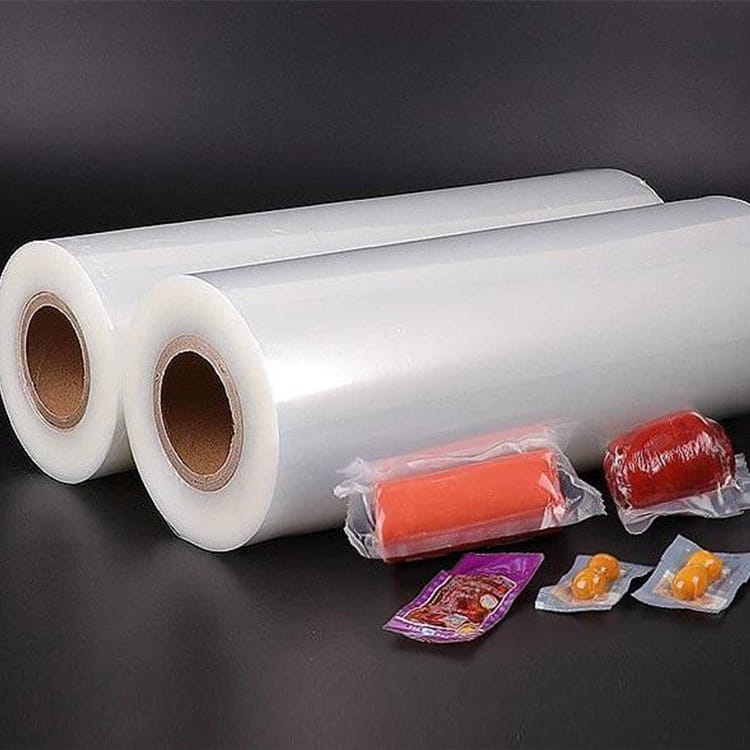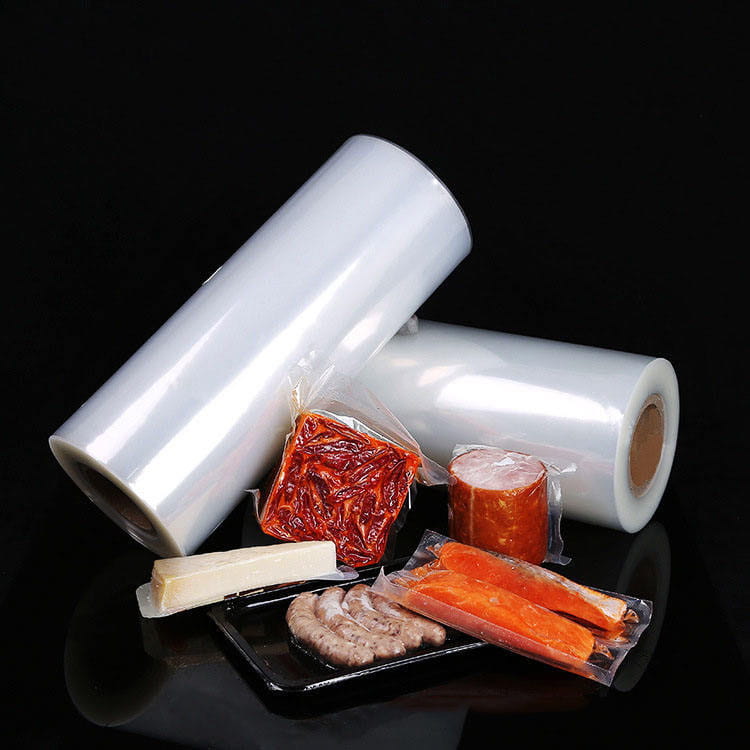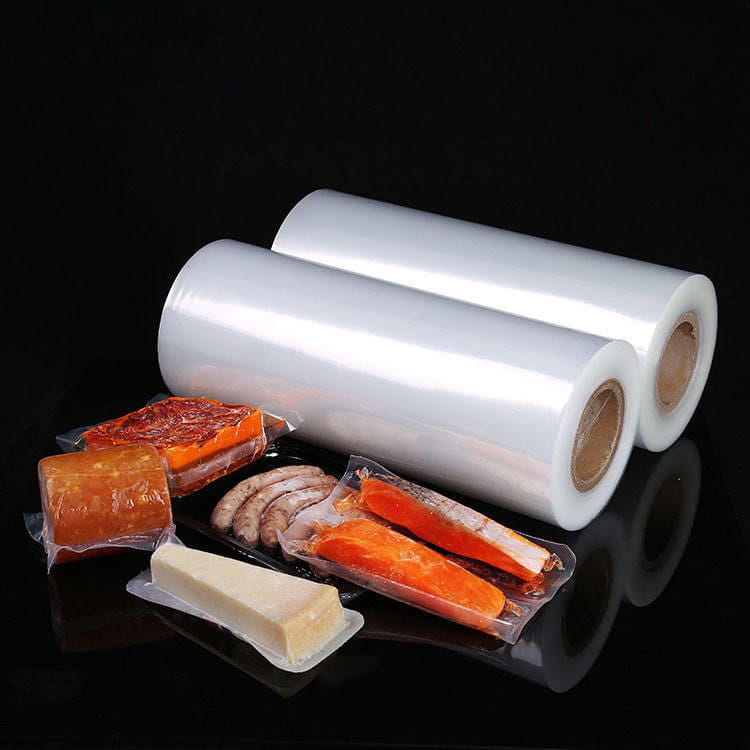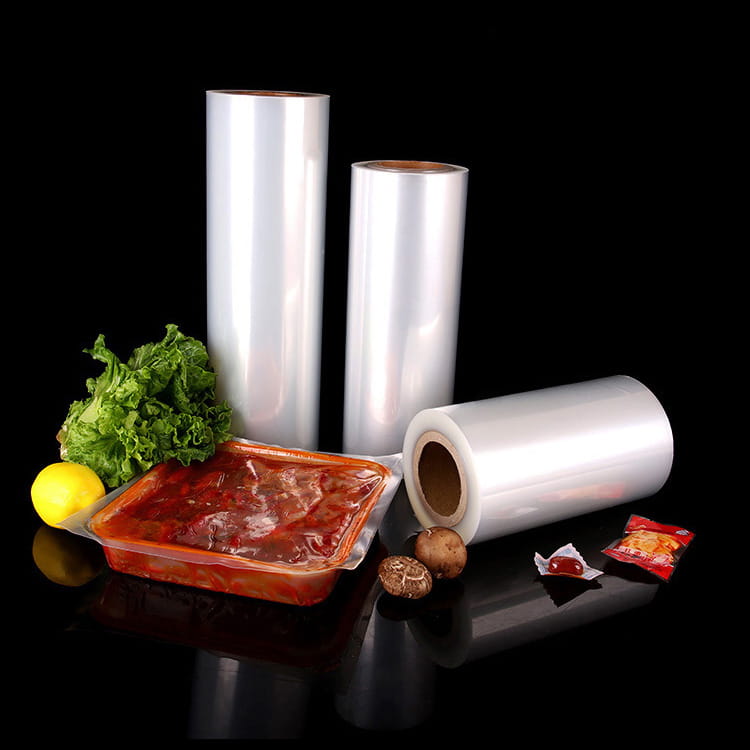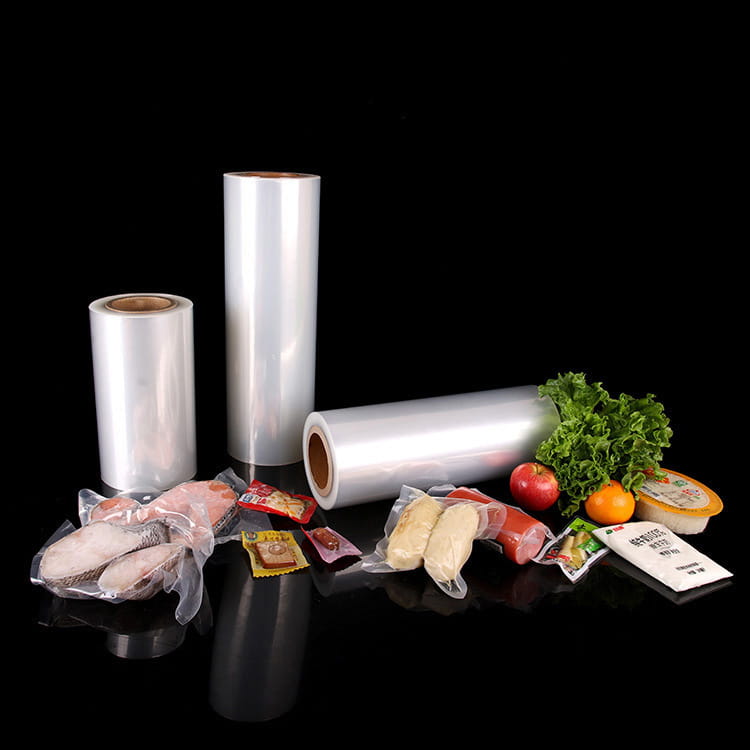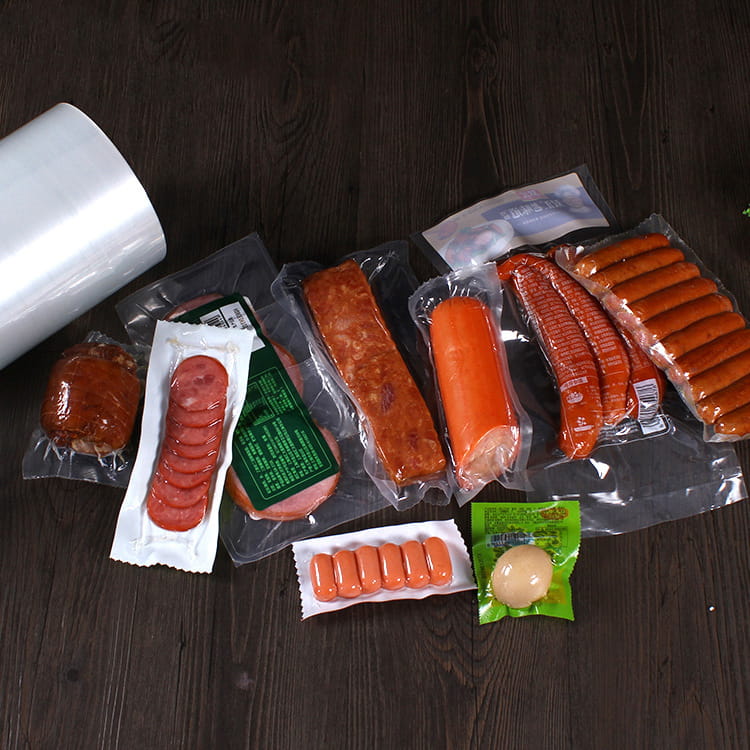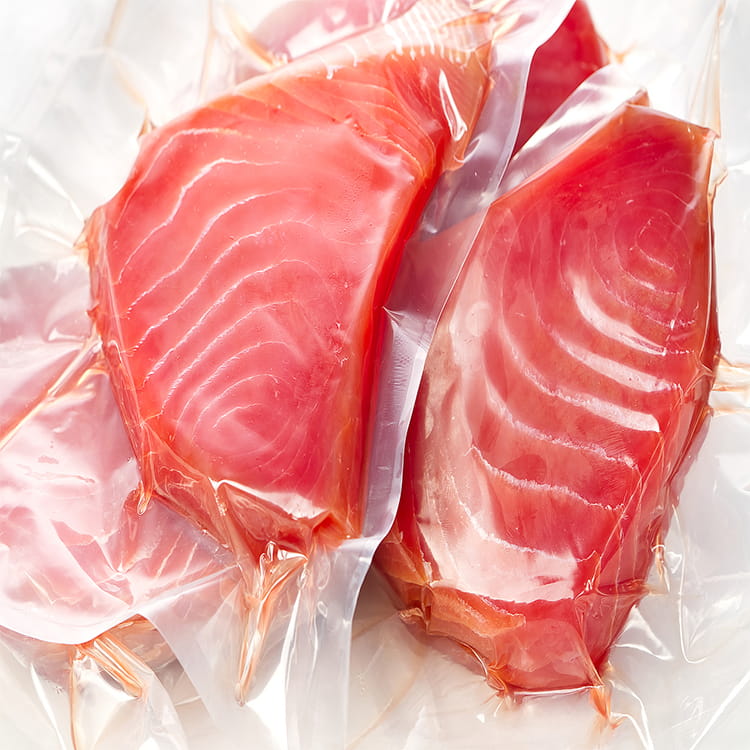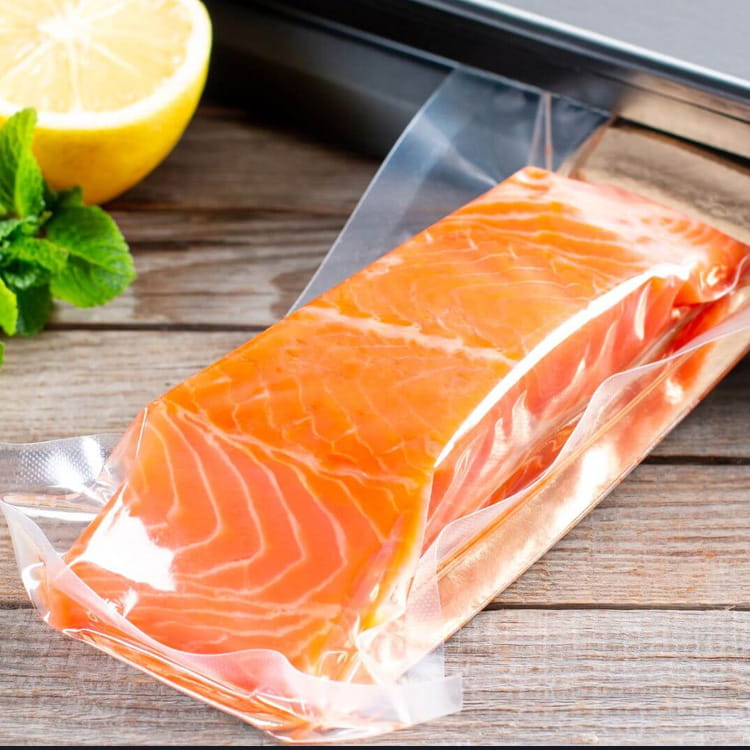



는 복합 인쇄 필름 접착제 또는 공압출 공정을 통해 여러 층의 재료로 만들어집니다. 그 구조는 일반적으로 기판층(예: PET, BOPP), 차단층(예: 알루미늄 호일, EVOH) 및 열 밀봉층을 포함합니다. 열접착층은 가장 안쪽 층에 위치하며 내용물과 직접 접촉됩니다. 핵심 기능은 열 밀봉 공정을 통해 안정적인 밀봉 인터페이스를 형성하는 것입니다.
이 함수는 간단해 보이지만 실제로는 여러 모순의 균형을 맞춰야 합니다.
는 game between low temperature and high temperature: it must be able to quickly heat-seal at low temperatures to adapt to high-speed production lines, and it must remain stable in high-temperature environments to resist sterilization treatment;
는 balance between flexibility and rigidity: it must be soft to fit the shape of the package, and it must be tough enough to resist extrusion and puncture during transportation;
는 coordination of transparency and barrier: it must ensure the visual appeal of the package, and effectively block external factors such as oxygen and moisture.
는 performance defects of the heat seal layer may directly lead to packaging failure:
열 밀봉 강도가 부족하면 누출이 발생하여 내용물이 손실되거나 오염될 수 있습니다.
열 밀봉 층의 노화는 박리로 이어져 장벽 특성을 파괴합니다.
열 밀봉이 고르지 않으면 약점이 생겨 패키지의 내충격성이 저하됩니다.
는 performance of the heat seal layer is not a single indicator, but a complex system determined by material properties, processing technology and environmental adaptability. The following are four core dimensions:
저온 열 밀봉성은 고속 포장 생산 라인의 생명선입니다. 예를 들어 캐스트 폴리프로필렌(CPP)의 열 밀봉 온도는 일반적으로 기존 폴리에틸렌(PE)보다 열 밀봉 온도가 20~30℃ 낮습니다. 이는 장비 에너지 소비가 적고 열 밀봉 시간이 짧아(0.5초 미만으로 단축 가능) 생산 효율성을 크게 향상시킵니다.
는 realization of low-temperature heat sealability depends on the molecular structure design of the material:
분자량 분포: 좁은 분자량 분포를 갖는 CPP는 녹는점이 낮지만 블렌딩 기술을 통해 열 밀봉 강도와 인성의 균형이 필요합니다.
첨가제 선택: 폴리부텐(PB)과 같은 가소제를 첨가하면 융점을 낮출 수 있지만 차단 특성에 영향을 미치지 않도록 첨가량을 제어해야 합니다.
고온 살균이 필요한 식품(통조림, 즉석식품팩 등)이나 의약품(주사제 등)의 경우 열접착층은 121°C 이상의 조리온도를 견뎌야 합니다. 변성 폴리에틸렌(PE)은 혼합 기술(예: 에틸렌-비닐 아세테이트 공중합체 EVA 또는 에틸렌-아크릴산 공중합체 EAA 추가)을 사용하여 열 밀봉 강도를 유지하면서 녹는점을 140°C 이상으로 높입니다.
는 key to high temperature stability lies in the thermal oxidation stability of the material:
는 addition of antioxidants can delay the degradation of the material at high temperatures;
는 formation of cross-linked structures (such as through radiation cross-linking) can improve the heat resistance of the material.
는 uniformity of the heat seal layer directly affects the sealing integrity of the package. The film thickness deviation must be controlled within ±5%, otherwise it is easy to cause local overheating or poor sealing. In the composite process, the film thickness is monitored in real time by an online thickness gauge, and the extrusion amount is adjusted using a closed-loop control system to ensure the consistency of the heat seal layer thickness.
는 destruction of uniformity may be caused by:
원료 변동: 폴리머 분자량의 고르지 못한 분포 등;
가공 매개변수 편차: 일관되지 않은 압출 온도 및 냉각 속도와 같은
운송 및 보관 조건: 재료의 수분 흡수 또는 결정화를 유발하는 고온 및 고습 환경 등.
열 밀봉 강도는 밀봉 신뢰성을 측정하는 핵심 지표입니다. 다양한 적용 시나리오에서 열 밀봉 강도에 대한 요구 사항은 크게 다릅니다.
일반 식품 포장: 내용물의 누출을 방지하기 위해 운송 중 진동과 압출을 견뎌야 합니다.
약물 포장: 멸균 분리를 보장하기 위해 바늘 천자에 저항해야 합니다.
산업용 제품 포장: 포장이 파손되는 것을 방지하기 위해 무거운 물체가 쌓이는 것을 견딜 수 있어야 합니다.
는 improvement of heat seal strength needs to be achieved by optimizing heat seal temperature, pressure and time. For example, in CPP heat sealing, the heat seal conditions of 130℃, 0.3MPa, and 1 second can achieve a strength of 22N/15mm, while modified PE requires 150℃, 0.4MPa, and 1.5 seconds.
는 performance of the heat seal layer not only determines the sealing of the package, but also affects the overall reliability through the following mechanisms:
1. 밀봉 : 내용물의 누출을 방지하는 직접적인 장벽
액상 포장의 경우 열 밀봉 강도가 부족하면 핀홀이나 균열이 생기기 쉽고 내용물이 새어 나올 수 있습니다. 예를 들어, 간장 포장의 경우 운송 중 진동과 압출을 견딜 수 있도록 열 밀봉 강도가 18N/15mm 이상이어야 합니다.
봉인 실패는 연쇄 반응을 유발할 수 있습니다.
내용물이 누출되면 제품이 손실될 수 있습니다.
외부 오염물질이 포장재 내부로 유입되어 내용물의 변질을 가속화합니다.
소비자 신뢰도가 떨어지고 브랜드 이미지가 손상됩니다.
는 uniformity of the heat seal layer affects the continuity of the barrier layer. If bubbles or stratification appear in the heat seal area, the oxygen permeability will increase significantly, causing oxidation of the contents. In coffee packaging, the close combination of the heat seal layer and the aluminum foil layer can reduce the oxygen permeability to below 0.5cm³/(m²·24h·0.1MPa), extending the shelf life to 18 months.
는 damage of barrier properties may be caused by:
열 밀봉층과 배리어층 사이의 접착력이 부족합니다.
열융착 과정에서 생성된 미세 기공;
환경적 요인(예: 습도, 온도)으로 인해 재료 노화가 발생합니다.
는 toughness of the heat seal layer determines the puncture and tear resistance of the package. In frozen food packaging, the modified PE heat seal layer needs to be improved by adding toughening agents (such as POE) to improve low-temperature toughness to prevent brittle cracking at -18°C.
기계적 특성이 충분하지 않으면 다음과 같은 결과가 발생할 수 있습니다.
운송 중 포장이 파손되거나 내용물이 흩어지는 경우;
소비자는 패키지를 여는 것이 어려워 사용자 경험에 영향을 미칩니다.
적층 시 패키지 변형으로 인해 보관 효율성이 저하됩니다.
는 improvement of heat seal layer performance needs to be promoted in a coordinated manner from three aspects: materials, processes and design:
1. 소재 혁신: 기능성 복합재
나노 소재 변형: 나노 클레이, 나노 실리카 등을 첨가하여 열 밀봉 층의 기계적 특성을 향상시킵니다.
바이오 기반 소재 적용: 폴리락트산(PLA), 폴리하이드록시알카노에이트(PHA) 등 바이오 기반 소재는 포장이 환경에 미치는 영향을 줄일 수 있습니다.
스마트 소재 개발: 상변화 소재(PCM)를 도입하면 열 밀봉층 온도에 반응하고 저온 유통 물류 요구 사항에 적응할 수 있습니다.
2. 프로세스 업그레이드: 정밀한 제어
온라인 모니터링 기술: 적외선 온도계, 레이저 두께 측정기 및 기타 장비를 통해 열 밀봉 공정을 실시간으로 모니터링합니다.
디지털 시뮬레이션: 유한 요소 분석(FEA)을 사용하여 열 밀봉 층의 응력 분포를 예측하고 공정 매개변수를 최적화합니다.
폐쇄 루프 제어 시스템: 모니터링 데이터에 따라 열 밀봉 온도, 압력 및 속도를 자동으로 조정하여 일관성을 보장합니다.
3. 디자인 최적화: 경량 구조
얇은 디자인: 성능을 보장하면서 열 밀봉 층의 두께를 줄이고 재료 비용을 줄입니다.
다층 복합 구조: 다양한 재료의 그라데이션 분포를 통해 성능과 비용 간의 균형을 달성합니다.
쉽게 찢어지는 디자인: 열 밀봉층에 약한 구조를 삽입하여 소비자의 개봉 경험을 향상시킵니다.